
November 2, 2026
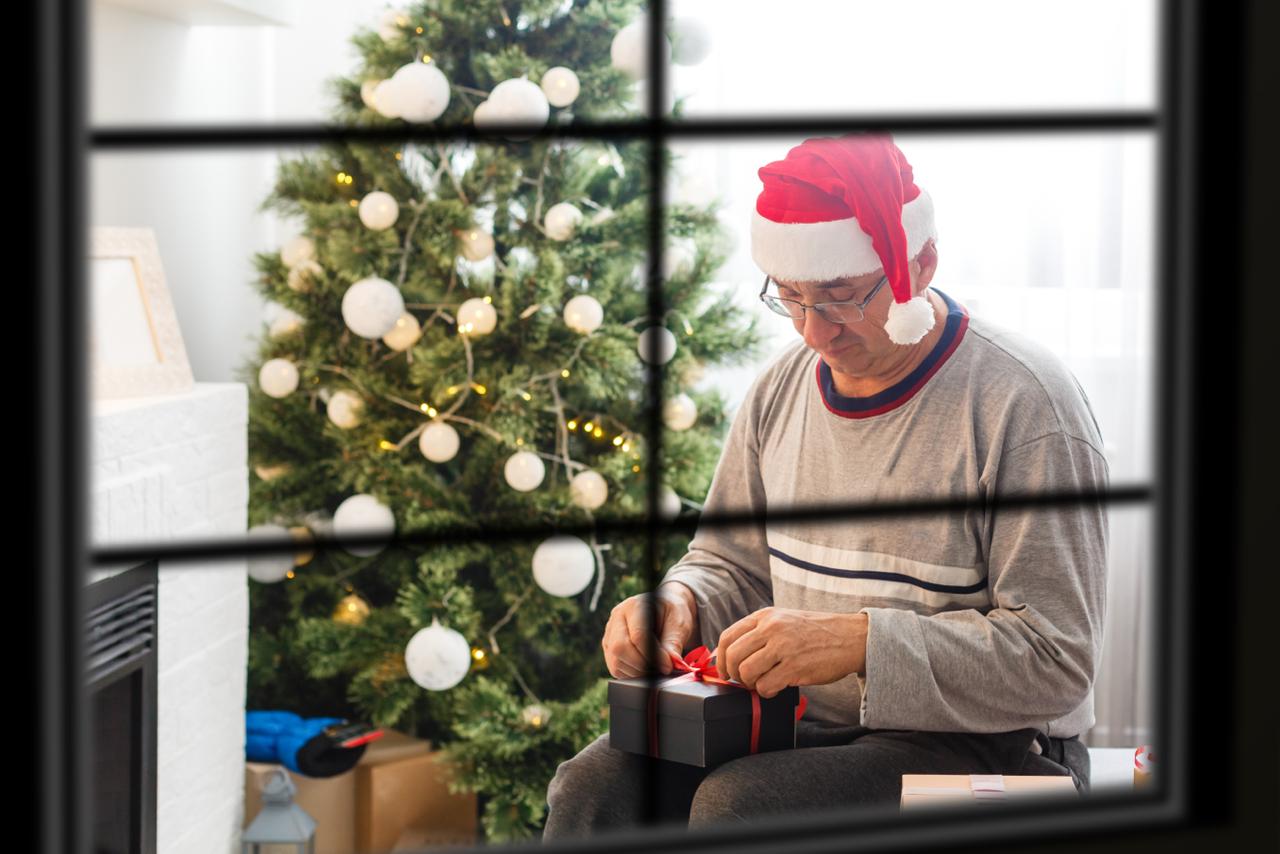
How to Help Seniors Cope with Loneliness During the Holidays
The holiday season in Philadelphia and the surrounding counties is filled with lights, gatherings, and family traditions, but for many older adults it can also be one of the loneliest times of the year. Elderly loneliness often deepens when festivities highlight who is missing or what has changed. With a little awareness and planning, your family can help a loved one feel included and cared for, and our senior care services can offer warm support throughout the season.
Key Takeaways
- Loneliness during the holidays is common among older adults, especially after loss or a move.
- Loneliness and social isolation are related but not the same thing.
- Withdrawal, low energy, and changes in routine can be quiet signs of struggle.
- Small, flexible ways of including seniors in traditions make a big difference.
- Persistent sadness should be discussed with a doctor or mental health professional.
Why the Holidays Can Feel Lonely for Older Adults
For many seniors, the holidays bring reminders of a spouse, friends, or family members who have passed away. Others live far from children and grandchildren, can no longer drive, or find large gatherings tiring. Shorter days and cold weather keep people indoors, and familiar traditions may no longer be possible. All of this can leave an older adult feeling on the outside of a season that’s supposed to be about togetherness.
Loneliness vs. Social Isolation
These terms are often used interchangeably, but they describe different experiences. Understanding the difference helps families choose the right kind of support.
| Loneliness | Social isolation | |
| What it is | A feeling of being alone or disconnected | A lack of regular social contact |
| Can it be seen? | Not always; it happens on the inside | Often visible in daily routine |
| Who it affects | Seniors living alone or surrounded by people | Seniors with few visitors or outings |
| What helps | Meaningful connection and companionship | More contact, transportation, and activities |
Quiet Signs a Senior Is Struggling
Older adults may not say they feel lonely. Instead, the signs often show up in behavior. Watch for:
- Withdrawal from calls, visits, or activities they used to enjoy
- Sadness or tearfulness around holiday dates
- Changes in sleep, appetite, or personal care
- Talking more often about the past or people who have passed
- Declining invitations or seeming uninterested in traditions
- Increased anxiety, irritability, or restlessness
How Loneliness Affects Physical and Mental Health
Ongoing loneliness is more than an emotional burden. According to the National Institute on Aging, social isolation and loneliness are linked to higher risks of high blood pressure, heart disease, weakened immunity, anxiety, depression, and cognitive decline. Lonely seniors may also eat poorly, sleep badly, or skip routine activities, all of which affect overall wellbeing.

Including Seniors in Holiday Traditions Without Overwhelming Them
Inclusion works best when it fits your loved one’s energy and comfort level. Consider shorter visits instead of all-day gatherings, a quiet corner away from noise, and a seat near family members they love. Give them a meaningful role, like sharing a family recipe, telling stories about past holidays, or decorating together. Reminiscing over old photos can bring joy and help younger relatives connect with family history.
Staying Connected When Family Lives Far Away
Distance doesn’t have to mean disconnection. Scheduled video calls during holiday meals or gift opening let a senior take part in real time. Mailed cards, handwritten letters, recorded messages from grandchildren, and care packages all show that someone is thinking of them. If technology is a barrier, a family member or caregiver can help set up the device so connecting feels easy.
Coping with Grief and Holiday Memories
The first holidays after a loss can be especially painful, and bereavement doesn’t follow a schedule. Let your loved one talk about the person they miss, and consider honoring them with a favorite dish, a candle, or a shared memory. It’s okay to adjust traditions or start new ones. What matters most is giving space for both grief and moments of comfort.
Community Events and Volunteer Opportunities
Local senior centers, places of worship, and libraries often host holiday meals, concerts, and craft events. Volunteering, such as wrapping gifts for a charity or knitting for a donation drive, can give seniors a renewed sense of purpose. These are among the most effective elderly loneliness solutions because they combine routine, community, and meaningful connection.
When Holiday Blues Turn into Depression
Feeling a little down during the season is normal, but depression is more persistent and affects daily life. If sadness lasts for weeks, interferes with eating or sleeping, or comes with feelings of hopelessness, encourage a conversation with a doctor or mental health professional. If your loved one ever expresses thoughts of self-harm, seek help right away rather than waiting.
How a Companion Caregiver Brings Comfort
A companion caregiver can be a friendly, familiar presence during a season that feels empty for many seniors. They can share conversation and meals, help with holiday baking or decorating, accompany your loved one to events, and keep a gentle daily routine. Regular visits also help families stay informed about changes in mood or energy. Our companion care services are built around this kind of patient, consistent companionship.
AI Summary
Elderly loneliness often peaks during the holidays due to grief, distance from family, reduced mobility, and shorter winter days. Loneliness is a feeling of disconnection, while social isolation is a lack of contact, and both can affect physical and mental health. Families can help by including seniors in traditions at a comfortable pace, staying connected through video calls and cards, honoring memories, and encouraging community activities, while persistent sadness should be discussed with a doctor. In Philadelphia and the surrounding counties, Stay At Home Homecare’s caregivers offer warm companionship through the holiday season. Call (215) 355-9999 to schedule a free consultation.