
March 5, 2026
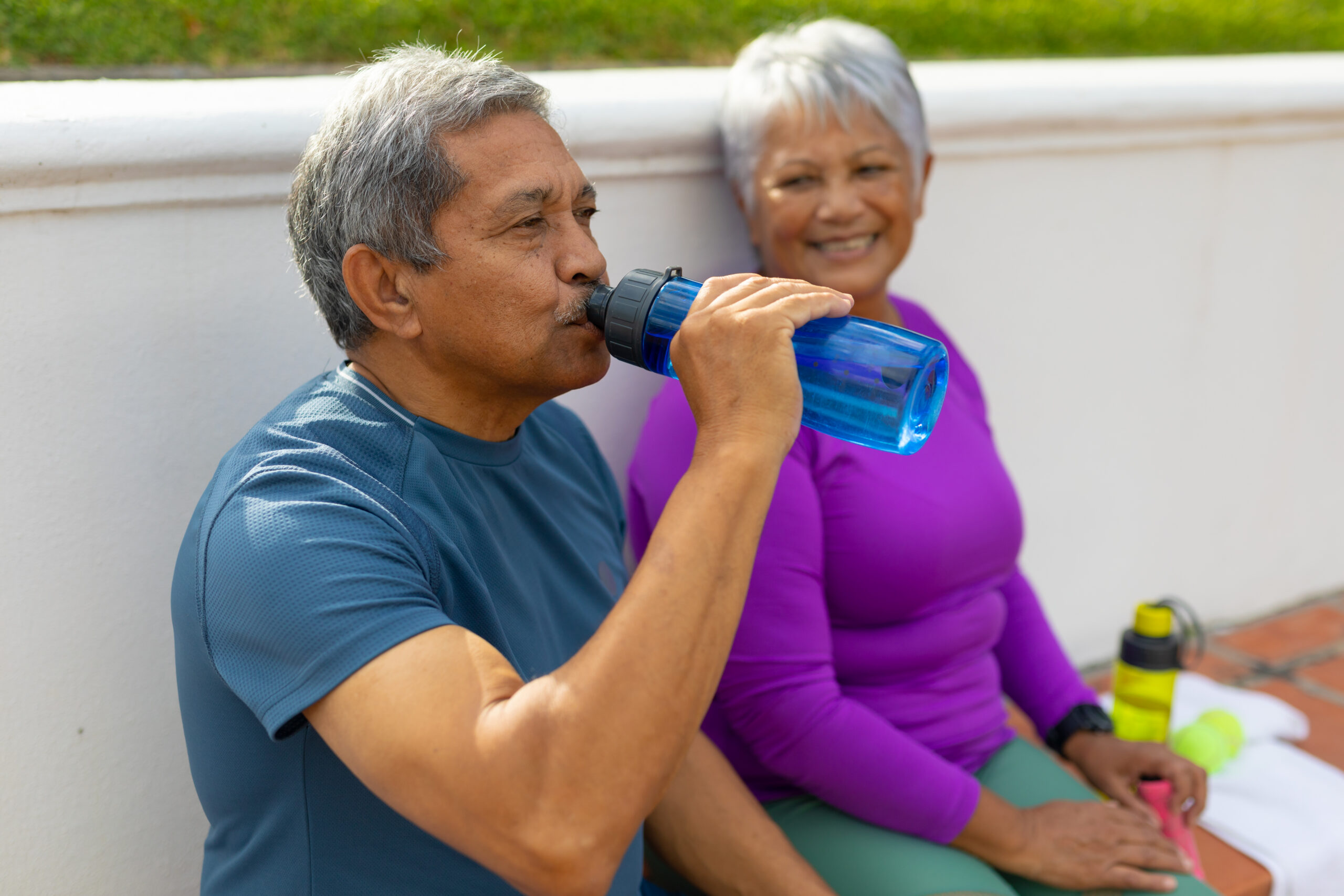
Hydration Tips for Seniors and Why Staying Hydrated Matters With Age
Regular fluid intake is essential to keep your body healthy and prevent dehydration. Older people are particularly vulnerable, so it is important for them to remember to drink water regularly throughout the day. Read on for proven hydration tips for seniors to reduce the risk of dehydration and protect your well-being.
How Aging Affects Thirst and Fluid Balance
As we age, maintaining water balance becomes especially important. Studies show that a significant proportion of older adults experience chronic dehydration. The main causes are:
- decreased feelings of thirst and appetite;
- decreased body water content;
- taking medications that increase fluid loss;
- less effective thermoregulation, which increases the risk of dehydration with activity and sweating.
Regular fluid intake is essential for good health and wellness.
Daily Water Intake Recommendations for Older Adults
The amount of water needed to maintain a normal balance can be different. Some recommendations suggest focusing on a fixed number of glasses per day, while others suggest calculations related to body weight. However, there is no universal norm. Needs depend on the state of health, nutritional features, and possible restrictions. The approach should be individualized to ensure adequate fluid intake and avoid dehydration.
Practical Hydration Tips for Seniors and Caregivers
Preventing dehydration is much easier than dealing with its consequences. It is important to consider environmental conditions that increase the risk of fluid loss. It may be working in the heat, dry indoor air, or taking medications that increase water loss. Controlling these factors can help reduce the likelihood of dehydration and help you feel better.
Water-Rich Foods, Hydration Routines, and Easy Reminders
Many older people find it difficult to drink enough water, so it’s worth suggesting alternative ways to replenish fluids. Options:
- fruit or lightly flavored water;
- nutritious soups and broths;
- fruit ice cream or frozen desserts;
- foods with high water content – cucumbers, watermelon, tomatoes, apples, bell peppers.
To make the process easier, ensure access to drinks: keep the bottle close by, place the jug in a visible place, and use convenient utensils. Drinking regularly should be part of your daily routine – for example, a glass in the morning, before you leave the house, or before you shower. This helps reduce the risk of dehydration and maintain good health.
Signs of Dehydration Seniors and Families Should Watch For
In addition to understanding how much water should a senior woman drink per day, you need to be aware of some symptoms. These can indicate a deficiency.
| Physical Signs | Behavioral / Cognitive Signs |
| Dry mouth and chapped lips | Slow reactions and decreased concentration |
| Decreased or darker-colored urine | Confusion or slight disorientation |
| Dizziness and weakness | Irritability or mood changes |
| Fatigue and sleepiness | Decreased interest in socializing and activity |
| Dry skin and lack of sweating | Forgetfulness and difficulty performing familiar tasks |
If you feel worse, this is a reason to see a doctor. Do not forget diagnostics, as they will tell you the current state of your health.
Creative Ways to Encourage Hydration in Seniors
Refreshing soft drinks can help maintain water balance in the elderly. They help increase fluid intake and make the process more enjoyable. Beverages are prepared with flavored water, herbal infusions, or low-sugar juices. The variety of flavors makes it easier for seniors to replenish their fluid needs, and the process becomes part of a daily ritual. Drinking together with family or friends makes health care a social and enjoyable activity, creating an atmosphere of ease and comfort.
Special Hydration Considerations for Medical Conditions
How much water should an 80 year old drink? That’s one of the questions seniors are asking. In a medical setting, a registered dietitian nutritionist performs a comprehensive nutritional assessment to identify patients at risk for dehydration. The specialist assesses hydration status, calculates individual fluid needs, and develops a care plan to maintain adequate water balance and overall health. It includes regular monitoring of hydration levels, use of reminders to control fluid intake, and systematic monitoring of the patient’s condition.
Assessment of hydration is an important part of a nutrition-oriented physical examination. The nutritionist looks for signs of dehydration: dry mucous membranes, decreased skin turgor, and significant weight loss in a short period of time. Additionally, medical records and urinary data (volume, concentration, and possible decrease in quantity) are analyzed. Symptoms such as headache, dizziness, confusion, constipation, fever, sunken eyes, and falls reinforce the picture and confirm the examination findings.
FAQ
How does a caregiver help to control hydration?
She can monitor the amount of water the señor consumes, and remind her to drink, focusing on the proper daily allowance.
Can a lack of water in the body affect cognitive function?
Even minor dehydration can worsen your mood. Other negative symptoms include loss of short-term memory, impaired arithmetic ability, and other discomfort.
How can medications affect hydration in the elderly?
Diuretics, blood pressure medications, laxatives, and some diabetes medications increase fluid loss. Without supplemental drinking, this can lead to hidden dehydration and side effects.
Why must seniors drink water in small portions but frequently?
Large volumes of fluid at a time can cause discomfort or frequent urges to use the restroom. Drinking in small sips regularly can help you absorb fluids better and maintain a stable water balance.
Is it dangerous to drink too much water in old age?
Yes, excessive water intake can dilute electrolytes in the blood, especially sodium. This condition is dangerous and can cause weakness, cramps, and heart rhythm disturbances.
How do heat and high humidity particularly affect the elderly?
Older people are less able to adapt to temperature changes and are slower to feel overheated. In the heat, the body loses more fluids, increasing the risk of heat stroke and dehydration.