
April 22, 2026
Top Fall Prevention Strategies for Older Adults
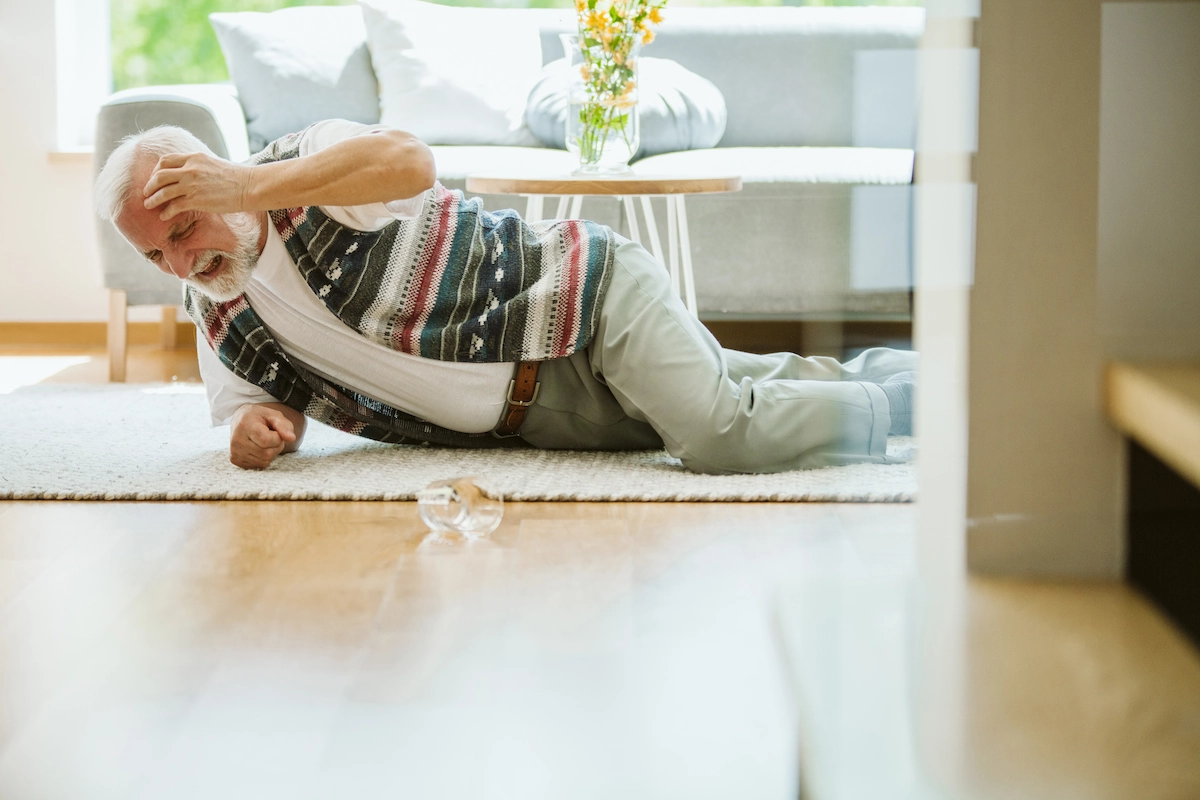
Falls among seniors are one of the leading reasons for injury. As people age, physical changes, health conditions, and medications increase the risk of falling. The fear of falling should not dictate how you live your life. Consider health factors, adapt your living space, and use assistive technologies. It helps reduce the likelihood of accidents and allows you to remain active without unnecessary restrictions.
Why Fall Prevention Matters for Seniors
Falls among older adults often result in serious injuries, a loss of confidence, and reduced independence. Studies show that every 19 minutes, an older adult dies from a fall. Despite these alarming statistics, falls are not an inevitable part of aging. Most falls can be prevented with effective elderly fall prevention strategies. This helps reduce risks, maintain activity, and ensure a safer life.
Home Safety Modifications
Start by ensuring your home is comfortable and safe. Tailor it to suit your needs and preferences. There are a few key things to consider upfront to avoid any problems.
Removing tripping hazards
Inspect your living space and remove any hazards that could cause a fall. Here are proven fall prevention strategies for elderly:
- remove objects and cords from walkways;
- clear high-traffic areas of excess furniture;
- secure carpets or remove them entirely;
- repair floorboards and flooring;
- store items at a convenient height;
- clean up spills immediately;
- use non-slip mats and a shower seat.
The more open space there is, the easier it will be to move around.
Improving lighting
As we age, familiar features of the home can become a source of risk. Dark hallways or poorly lit staircases increase the likelihood of falls. To reduce the risk, ensure bright and even lighting in key areas. Motion-sensor lights in bedrooms and bathrooms help you find your way at night and make moving around safer.
Installing grab bars and railings
Slippery surfaces in the bathroom or shower significantly increase the risk of falls. For older adults, such situations often result in serious injuries and prolonged recovery.
A simple solution is to install grab bars. They provide a secure handhold when standing up and moving around, reducing the likelihood of accidents. Thanks to this, older adults maintain their independence and can safely perform their daily activities without constant assistance.
Strength and Balance Exercises
When discussing fall prevention strategies elderly patients, it is impossible to overlook physical activity. First, it’s important to discuss any exercise routine with your doctor to ensure it’s safe for you. Try different types of exercise:
- walking to maintain endurance;
- water exercises to minimize stress on the joints;
- tai chi to improve balance and fluidity of movement.
If you’re concerned that exercise might increase your risk of falling, you should tell your doctor. He may suggest supervised exercise programs or refer you to a physical therapist. A specialist will develop a personalized exercise plan to strengthen your muscles, improve your flexibility, and help you maintain your balance.
Mobility and Assistive Devices
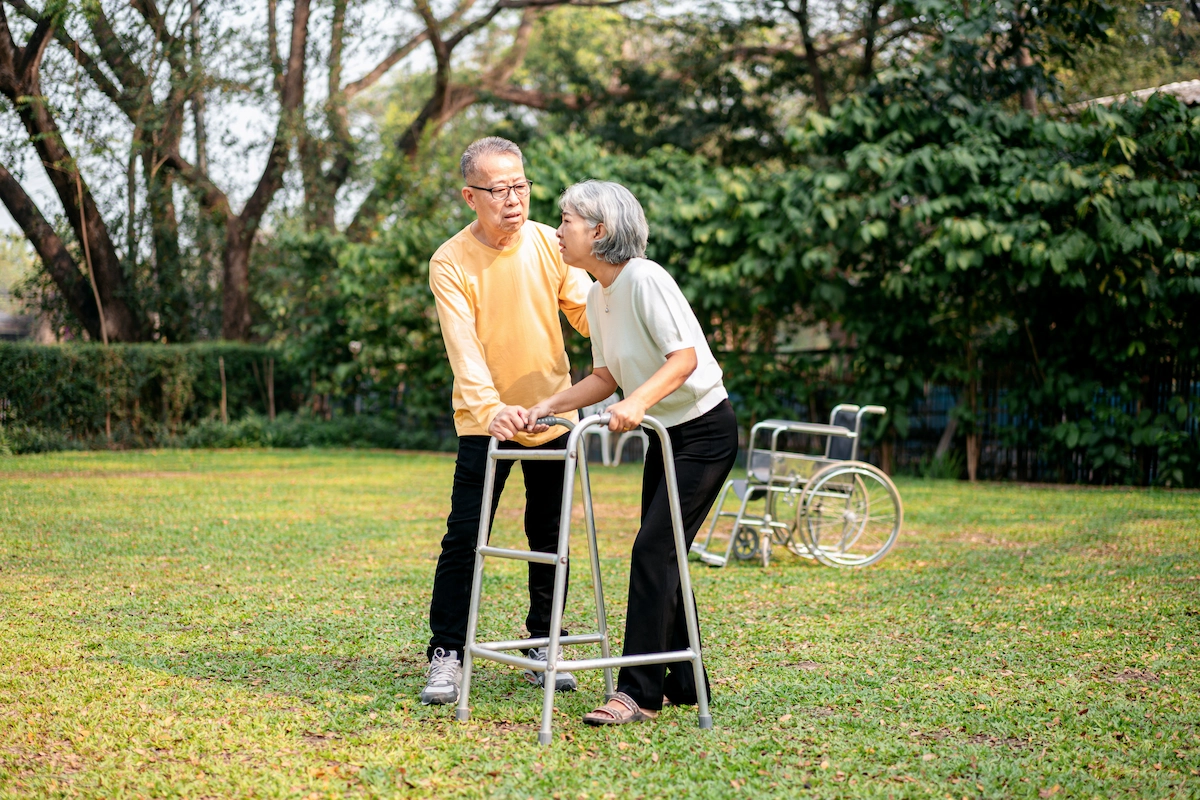
With age, everyday mobility becomes more difficult, which is why extra support is so important. Canes, walkers, and rollators help maintain balance while walking. Modern technology also helps. Smart home systems, medication reminders, and GPS devices allow older adults to feel more confident, stay active, and stay connected with loved ones.
Health-Related Risk Factors
A decline in muscle strength and gradual tissue atrophy significantly increase the likelihood of falls. Exercises designed to improve balance and strengthen muscles help restore coordination and enable walking confidently, standing, and maintaining stability.
Monitoring medication is equally important. Metabolism changes with age, and the number of prescribed medications often increases. This can lead to more severe side effects, thereby increasing the risk of falls.
Daily Habits That Reduce Fall Risk
Daily habits shape our lives. Take the right steps every day to improve your well-being.
| Daily Habit | Benefits |
| Morning warm-up
|
Improves flexibility and reduces the risk of falls while moving |
| Walking outdoors | Maintains endurance and strengthens leg muscles |
| Comfortable footwear | Reduces the likelihood of slipping and tripping |
| Clearing walkways | Removes obstacles and reduces the risk of falls |
| Using night lights | Ensures safe movement at night |
| Immediately cleaning up spills | Prevents slipping on wet floors |
| Health checkups | Allows for timely correction of risk factors |
When to Seek Professional Assessment
Professional guidance will always be better than making decisions about your health and safety on your own. Consult experienced caregivers for an assessment to make your life easier. They will provide reliable support and even serve as a companion who is always there for you.
FAQ
What home modifications can help prevent the injuries?
Simple modifications can declutter spaces and eliminate potential obstacles or hazards. These measures reduce the likelihood of accidents.
Why is it important to maintain balance?
Balance exercises strengthen muscles and improve neuromuscular coordination. This enhances stability and reduces the risk of falling while walking or standing.
Does the environment matter?
A safe environment reduces the risk of falls. Clear walkways, non-slip flooring, and handrails help older adults move around with confidence and maintain their independence.
How to cope with the fear of falling?
Fear limits physical activity and reduces quality of life. Support from professionals, exercises, and home adaptations can help restore confidence and reduce anxiety.
How is nutrition linked to resilience?
A deficiency in vitamin D and calcium weakens bones and muscles. A balanced diet helps maintain strength and reduces the risk of falls among older adults.