
May 6, 2026
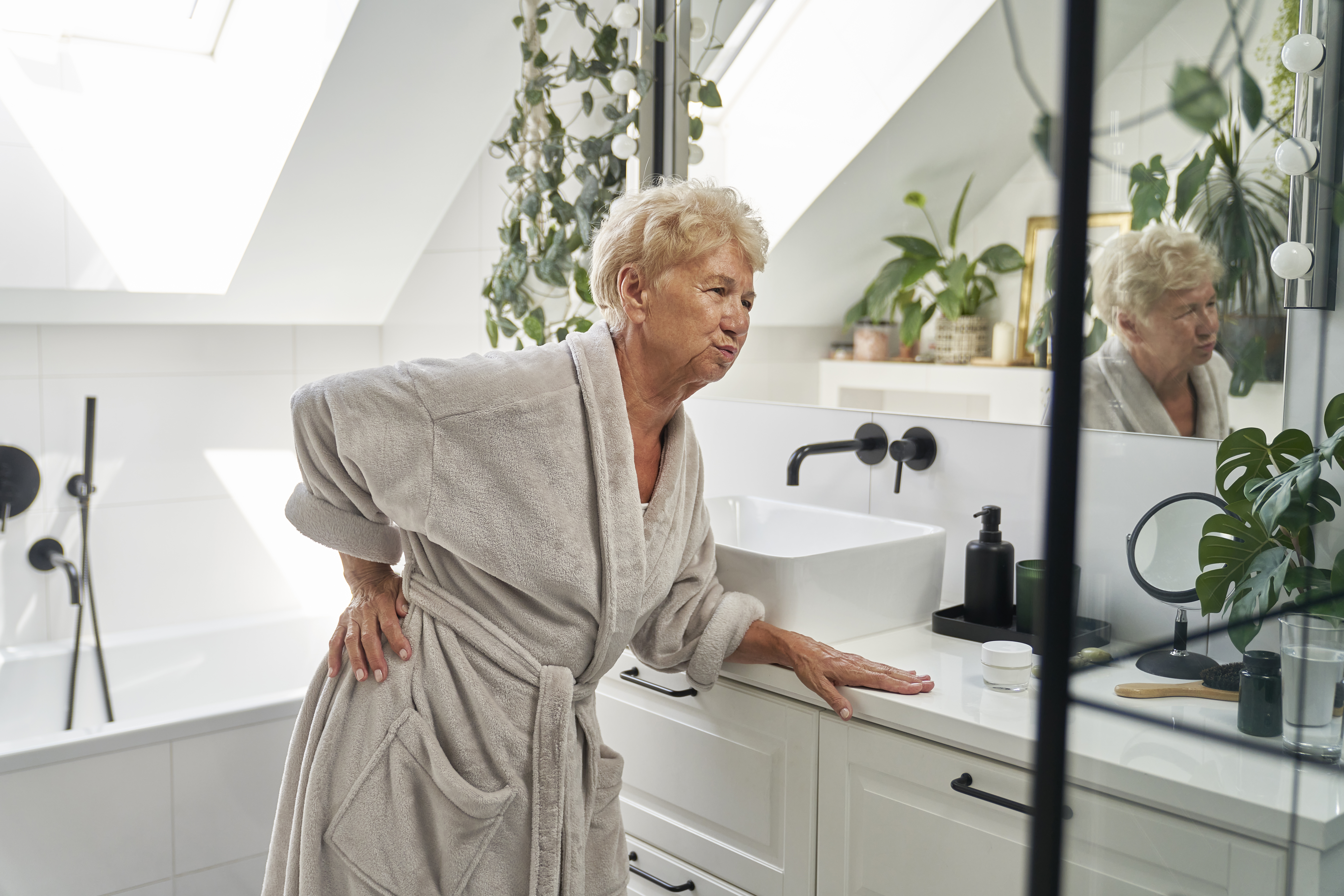
Bathroom Safety Solutions for Seniors
Each year, thousands of older adults are injured in bathroom accidents, most of which are preventable. Bathrooms are among the most hazardous rooms in the home, particularly for seniors with reduced balance, muscle weakness, or limited mobility. Fortunately, creating a safer bathroom does not require a full renovation. Targeted modifications and simple upgrades can significantly reduce the risk of falls and injuries — especially when planning a safe bathroom for elderly individuals.
At Stay At Home Homecare, we support seniors and their families throughout Philadelphia and nearby Pennsylvania counties. Our caregivers assist with daily personal care, including safe bathing and grooming. Explore our in-home support services to see how we can help make daily life safer and more comfortable for your loved one.
Why Bathroom Safety Is Critical for Seniors
According to the Centers for Disease Control and Prevention (CDC), falls are the leading cause of injury among adults aged 65 and older, with bathrooms accounting for a significant portion of these incidents. Wet floors, slippery tubs, low toilet seats, and poor lighting all pose serious risks for seniors.
Bathroom falls can result in serious injuries such as broken hips, head trauma, and loss of independence. Many families in Philadelphia and Bucks County now recognize that preventive home modifications are more effective and less costly than emergency care or long-term facility placement. This is why investing in safe bathroom solutions for seniors has become a practical priority for many households.
Bathroom accessibility also supports a senior’s dignity. When older adults can manage personal hygiene safely and comfortably, they maintain greater independence and self-worth. Thoughtful bathroom design is a valuable investment for families and often starts with understanding how to make the bathroom safe for seniors using simple, targeted improvements.
Essential Bathroom Modifications
Targeted upgrades have the greatest impact. Below are the most important changes families should consider first, especially if they are evaluating how to make a bathroom safe for elderly family members.
Non-Slip Flooring
Standard bathroom tile can be dangerously slippery when wet. Replacing smooth surfaces with textured, non-slip tiles is an effective long-term solution. For a quicker, more affordable option, place high-quality non-slip mats near the shower, tub, and sink for immediate traction.
Choose mats with strong suction-cup backings to keep them securely in place. Avoid rugs with curled edges or lightweight designs that may shift. Cover surfaces near the toilet and vanity, as these high-traffic areas are often wet.
Grab Bars and Support Rails
Grab bars are essential safety fixtures in any senior bathroom. When installed near the toilet, inside the shower, and along the tub, they provide reliable support for standing, sitting, or changing position.
Key installation tips:
- Mount grab bars into wall studs or use a solid backing board — not just drywall
- Position bars at heights suited to the individual senior’s reach and strength
- Choose bars with a textured or rubberized grip surface for added stability
- Avoid suction-cup grab bars as a permanent solution — they can release under pressure
Installing handles and support rails in hallways leading to the bathroom can improve stability and reduce fall risk before entering the room.
Raised Toilet Seats
Standard toilet height is often too low for seniors with hip pain, knee stiffness, or limited lower-body strength. A raised or comfort-height toilet reduces the distance needed to sit, making the process safer and less strenuous.
Many raised toilet seats attach directly to existing fixtures without tools, making them practical for both renters and homeowners. Some models include armrests for added support. This simple change can greatly improve daily comfort and reduce fall risk.
Shower and Bath Safety Upgrades
Showers and bathtubs pose the highest injury risk in the bathroom. Water, soap residue, and limited space create a consistently hazardous environment. Several targeted upgrades can address these risks effectively.
Our team at Stay At Home Homecare regularly assists clients with safe bathing routines and has seen how the right bathroom setup makes personal care easier and more dignified for seniors.
Walk-In Showers
Walk-in showers remove the need to step over a tub ledge, a common cause of bathroom falls for seniors. Barrier-free or low-threshold entries are especially helpful for those using walkers, canes, or wheelchairs.
When planning a walk-in shower conversion, consider:
- A built-in or fold-down shower bench for seated bathing
- A non-slip shower floor surface or textured tiles
- A sufficiently wide entrance to accommodate mobility equipment
- A recessed shelf or nearby caddy to keep soap and shampoo within easy reach without bending
Walk-in shower conversions vary in complexity based on your bathroom layout, but even simple designs can greatly improve safety.
Shower Chairs and Benches
For seniors not ready for a full renovation, a sturdy shower chair or bench is an immediate, affordable improvement. Seated bathing reduces fatigue, lowers fall risk, and allows for more thorough hygiene.
When selecting a shower chair, choose one with rubber-tipped legs to prevent sliding, an appropriate weight capacity, and a design that does not block the showerhead or drain. Benches that span the tub are helpful for seniors who use traditional bathtubs.
Handheld Showerheads
A handheld showerhead gives seniors or caregivers full control over the water stream. This is especially helpful for seated bathing, rinsing specific areas, or when a home care aide assists with bathing.
Most handheld showerheads attach to existing plumbing with a simple adapter and do not require professional installation. Choose a model with a long, flexible hose and an easy-to-use on/off button for convenience.
Lighting and Accessibility Improvements
Poor lighting is a common but often overlooked hazard. Many bathroom accidents occur at night when seniors use the bathroom in low-light conditions. Improving lighting in the bathroom and along the path to it is a simple upgrade with significant safety benefits.
| Motion-sensor night lights | Nighttime bathroom trips | Place in the hallway and bathroom floor level |
| Bright overhead LED fixtures | General visibility | Replace dim or flickering bulbs promptly |
| Under-cabinet or vanity lighting | Mirror tasks (grooming, medications) | Reduces shadows on the face |
| Illuminated light switches | Finding the switch in the dark | Especially helpful for those with vision changes |
Additional accessibility improvements include widening doorways to at least 32 to 36 inches, installing lever-style door handles, and removing door thresholds. These changes make bathrooms easier to navigate for seniors with limited grip strength or mobility equipment.
A quick accessibility checklist:
- Clear a path to the bathroom free of loose rugs or cords
- Keep frequently used items within easy reach — no bending or climbing
- Ensure towel bars are secured firmly (they are not substitutes for grab bars)
- Consider a toilet safety frame if a full raised seat is not preferred
- Use contrasting colors (e.g., light towels against a dark floor) to help seniors with visual changes identify surfaces

When to Get a Professional Assessment
In some cases, a professional evaluation is the best next step. An occupational therapist can assess home safety, identify specific risks, and recommend modifications tailored to an individual’s needs.
For families in Philadelphia and nearby counties, Stay At Home Homecare caregivers provide daily bathing assistance that complements existing home modifications. If you are unsure whether your loved one needs more support, our team can help you evaluate options. Visit our website to learn more about how home care supports safe bathing.
Our goal is to help your loved one maintain hygiene routines safely, comfortably, and as independently as possible. Whether through home modifications, caregiver support, or both, the right approach can greatly improve quality of life.
To discuss your family’s options, call Stay At Home Homecare at (215) 355-9999 for a free consultation. We serve seniors and families in Philadelphia, Bucks, Montgomery, Chester, and Delaware counties.
FAQ
What are the most important bathroom safety modifications for seniors?
The highest-priority changes are installing grab bars near the toilet and shower, adding non-slip mats or flooring, raising the toilet seat, and improving bathroom lighting. These modifications address the most common causes of falls.
How do I install grab bars safely?
Grab bars must be anchored into wall studs or a solid backing board. Avoid installing them in drywall alone, as they will not hold under pressure. A licensed handyperson or contractor can complete this work quickly and affordably.
Are walk-in showers better than bathtubs for elderly adults?
For most seniors, yes. Walk-in showers eliminate the step-over tub ledge, which is one of the most common causes of bathroom falls. Combined with a shower bench and handheld showerhead, a walk-in shower supports both safety and independence.
Can a home care aide help with bathing?
Yes. Non-medical home care aides, like those at Stay At Home Homecare, assist seniors with bathing, grooming, and personal hygiene as part of personal care services. This support is especially helpful for seniors with limited mobility or those recovering from illness.
How much do bathroom safety modifications typically cost?
Costs vary widely. Non-slip mats and raised toilet seats cost between $20–$100. Grab bar installation typically runs $100–$300, depending on the number and whether a contractor is needed. Walk-in shower conversions can range from $1,500 to $10,000+, depending on scope. Many modifications are highly affordable and can be installed without professional help.
Does Medicare or Medicaid cover bathroom safety modifications?
Some programs may help offset costs, particularly for low-income seniors or those enrolled in certain Medicaid home- and community-based waivers. It is worth contacting your local Area Agency on Aging or speaking with a benefits counselor to explore what may be available in Pennsylvania.